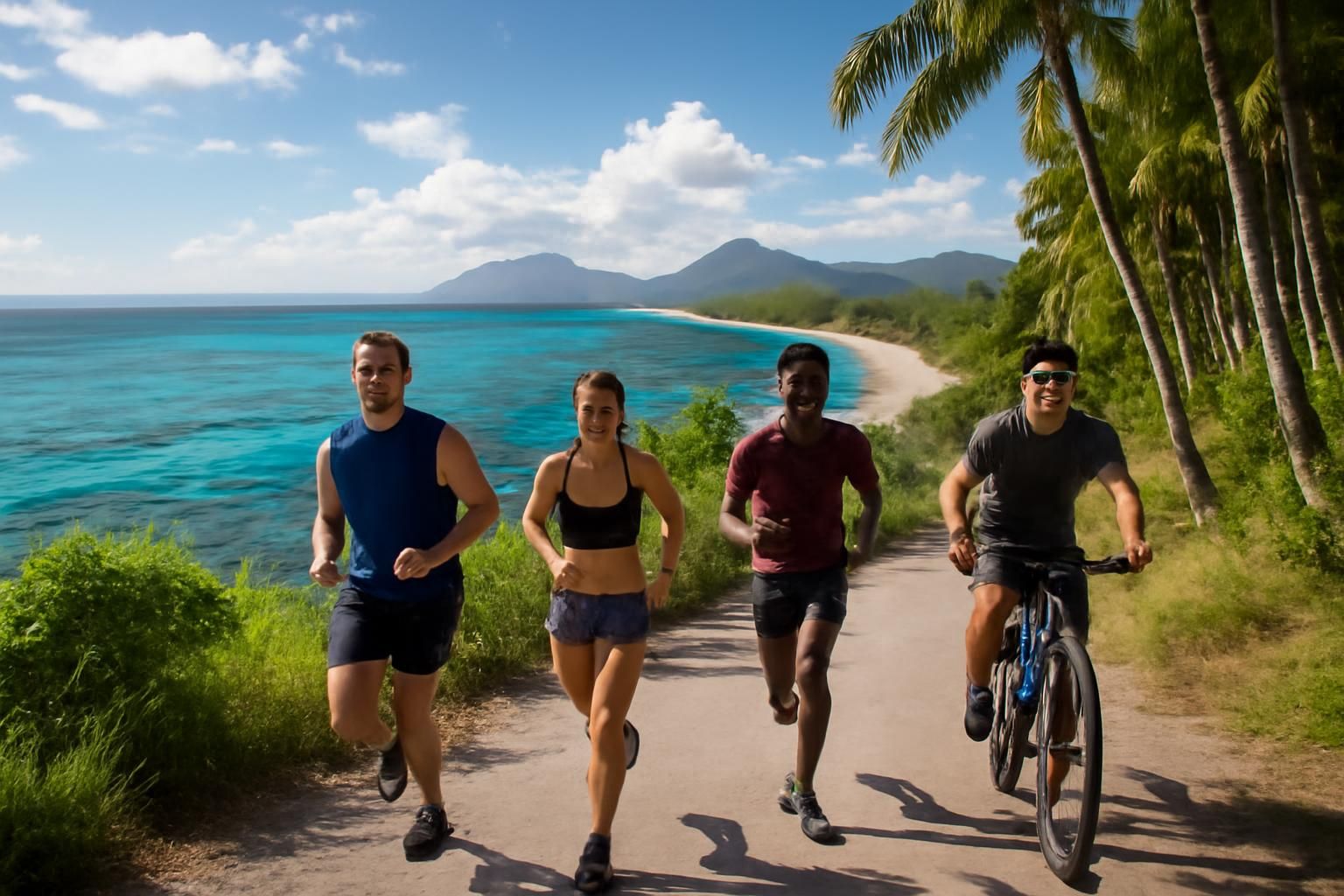
Queensland, Australia has emerged as an exceptional destination where fitness and tourism intersect seamlessly to offer visitors a unique blend of wellness and adventure. This region’s diverse landscapes—from pristine beaches to rugged mountain trails—create a playground for fitness enthusiasts and tourists alike who seek active holidays that invigorate both body and soul. With an economy boosted by the expanding fitness tourism market, Queensland’s strategic focus on outdoor workouts and wellness retreats has elevated it as a global leader in the sports tourism sector.
Visitors from around the world are drawn to Queensland for its abundant opportunities to engage in hiking Queensland’s trails, beach workouts along its famous shores, and high-end fitness resorts that cater to every wellness need. The state government’s Activate! Queensland 2019-2029 strategy underlines a ten-year commitment to fostering healthier lifestyles through sport and physical activity. Meanwhile, tourism strategies like Destination 2045 are set to further enhance Queensland travel experiences, aiming to transform the state into Australia’s premier event and fitness tourism capital in the years ahead.
- Queensland’s fitness tourism sector injects over $100 million into the state’s economy annually, showcasing its importance and growth potential.
- Active holidays are the core offering, combining adventure tourism with wellness retreats and sports tourism events.
- The state’s investment in infrastructure promotes outdoor workouts such as hiking, beach exercises, and trail running that leverage Queensland’s natural landscapes.
- Major cities like Cairns act as hubs that attract national and international visitors focused on fitness tourism activities.
- Queensland’s Destination 2045 strategy involves hosting world-class sports events, improving accessibility, and promoting sustainable ecotourism, ensuring long-term growth.
Queensland’s Rise as a World Leader in Fitness Tourism
Queensland has strategically positioned itself as a leader in fitness tourism, a sector that has significantly expanded in recent years. The state’s natural environment, favorable climate, and progressive government initiatives contribute to this rise. Fitness tourism is not just about visiting; it’s about immersive experiences that combine physical activity with exploration and relaxation. For a fitness enthusiast, Queensland offers everything from invigorating beach workouts at sunrise to rigorous mountain hikes—making the journey an active holiday rather than a passive one.
One notable example is Cairns, a city that acts as a magnet for fitness tourists. It attracts thousands of visitors annually who participate in outdoor fitness activities. The city is surrounded by the Great Barrier Reef and lush rainforests, offering a variety of adventure and wellness options. Visitors can engage in morning yoga sessions on the beach, cardio boot camps in the rainforest, or cycling tours through scenic routes. This integration showcases how fitness tourism and adventure tourism complement each other, providing a holistic experience to travelers.
Further solidifying its leadership, Queensland has invested heavily in fitness resorts that provide wellness retreats and tailored fitness programs. These resorts often blend traditional spa offerings with innovative fitness regimes, including functional training, aquatic workouts, and mindfulness practices. The appeal lies in the merging of physical health and mental well-being, key components of modern wellness retreats. The result is a comprehensive package that supports travelers in achieving fitness goals while exploring new environments.
Queensland’s government also actively supports this growth through initiatives like the Queensland: A World Leader in Fitness Tourism report. This detailed analysis highlights the economic and social benefits of combining fitness activities with travel experiences, underlining Queensland’s commitment to becoming a global benchmark in this niche.
Integrating Outdoor Workouts and Adventure Tourism Across Queensland
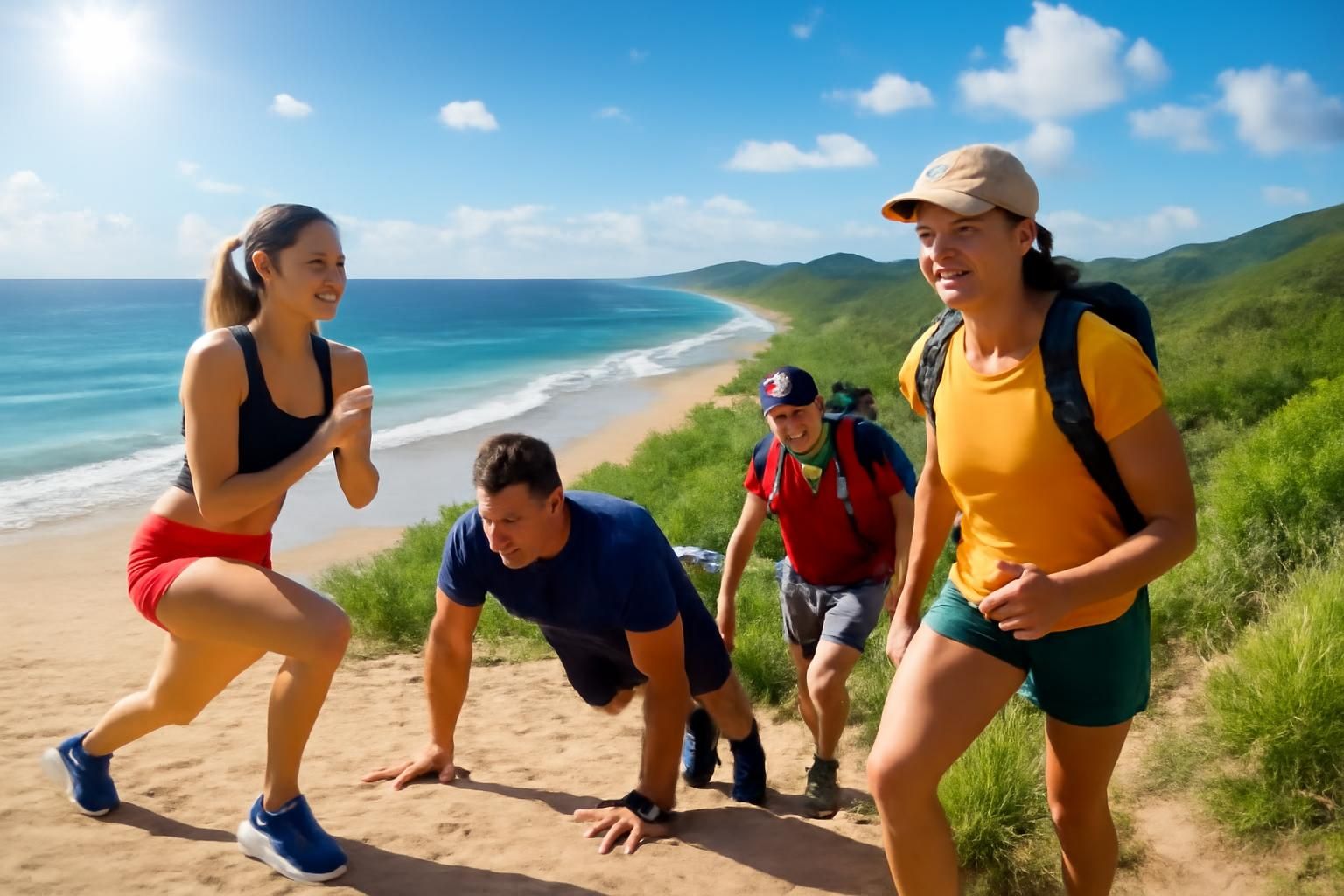
Queensland’s diverse geography makes it a hotspot for outdoor workouts and adventure tourism alike. Whether it’s the sandy stretches of the Gold Coast or the rugged climbing routes in the hinterlands, fitness enthusiasts find themselves spoilt for choice. The trend toward integrating outdoor fitness regimes with tourism activities is palpable.
For example, hiking Queensland’s famous trails not only offers cardiovascular benefits but also immerses tourists in some of Australia’s most stunning natural environments. Trail routes like those in Lamington National Park or the Glass House Mountains provide a combination of physical challenge and breathtaking views. Fitness tourists often combine these hikes with mountain biking, trail running, or even guided fitness expeditions, making the experience far richer.
Beach workouts remain iconic for Queensland’s fitness tourism sector. From sunrise yoga to high-intensity interval training on the sand, these sessions are designed to utilize the natural setting for maximum physical benefit. Fitness resorts and local communities organize these activities to ensure that visitors can seamlessly incorporate physical exercise into their Queensland travel itinerary. The coastal climate facilitates year-round access, encouraging tourists from different regions to experience active holidays.
Adventure tourism, meanwhile, complements these efforts perfectly. Activities such as kayaking in Noosa’s waterways, paddleboarding along the Sunshine Coast, or rock climbing in the Glass House Mountains add an adrenaline rush to fitness-focused vacations. This holistic approach ensures that tourists can engage in a variety of workouts that enhance strength, stamina, and flexibility, while also enjoying the thrill of discovery and exploration.
Wellness Retreats and Fitness Resorts Driving Tourism Growth
Wellness retreats and fitness resorts in Queensland have become increasingly sophisticated, blending modern fitness technology with natural wellness traditions. These establishments cater to travelers who seek more than just sightseeing—they want transformation through physical activity and wellness treatments. The rise of wellness tourism in Queensland has been well-documented, providing a lucrative segment of the travel market that overlaps closely with fitness tourism.
Such retreats offer programs ranging from intensive fitness boot camps to restorative yoga and meditation sessions. Many are located in secluded spots amidst Queensland’s pristine nature, allowing visitors to disconnect from daily stressors and focus entirely on their health goals. For instance, resorts on the Sunshine Coast and hinterlands provide personalized fitness regimes, nutritional guidance, and spa therapies that align with a comprehensive wellness experience.
Fitness resorts also exploit Queensland’s outdoor assets by including beach workouts, hiking programs, and water-based exercises in their schedules. These combinations help promote longevity in fitness habits, ensuring that tourists leave with practical knowledge and renewed motivation to maintain an active lifestyle after returning home.
Such initiatives tie closely into larger governmental health and tourism policies, like the Activate! Queensland 2019-2029 strategy, which champions more participation in sport and physical recreation. By attracting fitness-minded tourists, these resorts play a crucial role in supporting the state’s vision of healthier communities and a thriving tourism economy.
Government Initiatives Supporting Sports Tourism and Outdoor Recreation
The Queensland Government has undertaken a pivotal role in harnessing sports tourism as both an economic driver and a community health booster. The state’s policies focus on nurturing active lifestyles among residents and visitors, with sports tourism framed as a key growth area. This commitment is outlined in strategies such as Destination 2045, which aims to amplify Queensland’s reputation as Australia’s event capital and the home of premier sporting experiences.
In 2026, Queensland continues to invest in infrastructure that promotes accessibility to sports facilities and outdoor parks suited for events and recreational activities. These developments support a broad spectrum of fitness tourism options, from mass participation runs and cycling races to boutique wellness events held at fitness resorts. Incorporating these into Queensland travel offerings enhances visitor engagement and repeat visitation.
A comprehensive report on sports and outdoor recreation’s economic contribution emphasizes the intertwined nature of tourism and fitness economies. By strategically hosting major events that attract international athletes and fans, Queensland expands its markets and strengthens regional economies. For instance, Cairns and Brisbane regularly host triathlons, marathons, and wellness expos that draw fitness tourists keen on competing or spectating in world-class events.
This ecosystem is further sustained through partnerships with local businesses, tourism agencies, and health organizations, ensuring a consistent flow of programs tailored for diverse sports tourism preferences. The tangible outcomes are increased visitor numbers, enhanced community wellbeing, and a vibrant sports culture that continues to evolve as Queensland’s global fitness tourism brand grows.
Key components of Queensland’s sports tourism strategy include:
- Developing infrastructure for both professional and amateur sporting events.
- Encouraging private sector investment in new fitness resorts and outdoor facilities.
- Utilizing natural landscapes to promote ecotourism and adventure-based fitness activities.
- Marketing Queensland as a destination for both wellness retreats and competitive sports events.
- Supporting local communities to offer unique, culturally rich fitness tourism experiences.
Trends in International Tourism Driving Queensland’s Fitness Tourism Sector
The global rise in fitness-minded travelers has profoundly influenced Queensland travel patterns, attracting visitors from India, China, France, New Zealand, Korea, and other nations. These tourists often seek to blend professional commitments with rejuvenating active holidays, a trend known as “bleisure” (business + leisure), which is rapidly expanding worldwide.
This influx has driven the development of diverse fitness tourism products, ranging from multi-day adventure challenges to luxury wellness retreats, positioning Queensland as an appealing choice for a wide audience. The state’s ability to cater to culturally varied expectations by curating fitness and wellness programs has been a critical factor in maintaining this momentum.
Visitor expenditure has reached unprecedented levels, substantiating the economic importance of this niche. Fitness tourism here is not merely a sidebar to traditional tourism but a core segment that influences marketing strategies and investment priorities. By enhancing event capabilities, improving transport access, and highlighting health-conscious offerings, Queensland’s Destination 2045 plan is designed to capture and sustain this growth through 2032 and beyond.
International visitors especially gravitate toward Queensland’s natural beauty combined with fitness opportunities, making it an ideal destination for active holidays that also offer rich cultural and culinary experiences. This blend of offerings encourages longer stays and repeat visits, further reinforcing Queensland’s status as a premier fitness tourism hub.
Ecotourism and Wellness: A Symbiotic Relationship in Queensland
Queensland’s approach to fitness tourism is intricately linked to its stewardship of natural environments. Sustainable ecotourism has become a priority, ensuring that adventure tourism and outdoor workouts do not compromise the region’s ecological integrity. This balance drives demand for responsible wellness retreats and nature-based fitness experiences that appeal to environmentally conscious travelers.
Initiatives like the Outback Queensland Wellness Bathing Strategy highlight how remote natural resources can be developed carefully to attract wellness tourists without disrupting fragile ecosystems. Spa baths, thermal springs, and natural treatment centers are examples where wellness retreats meet ecotourism goals, providing restorative experiences rooted in nature itself.
For instance, hiking Queensland routes now often include interpretive trails that educate visitors on local biodiversity while promoting sustainable use. Fitness resorts incorporate eco-friendly practices such as solar energy, rainwater harvesting, and organic farming, enhancing their appeal to green-minded fitness tourists.
By marrying ecotourism with fitness retreats, Queensland establishes a model for sustainable fitness tourism that fosters both health and environmental responsibility. This symbiosis is key to attracting the next generation of wellness travelers focused on holistic well-being.
Economic Impact and Future Prospects for Fitness Tourism in Queensland
| Sector | Annual Economic Contribution (AUD) | Visitor Numbers | Growth Rate (%) |
|---|---|---|---|
| Fitness Tourism Activities | 100 million | Over 250,000 | 8% |
| Wellness Retreats | 45 million | Approx. 100,000 | 6% |
| Sports Tourism Events | 75 million | Over 150,000 | 7.5% |
| Adventure and Outdoor Workouts | 60 million | Approx. 120,000 | 9% |
As of 2026, fitness tourism generates over $100 million annually in Queensland, underpinning a vibrant economic sector that employs thousands. With continued investment in infrastructure, marketing, and health programs, the upward trend is expected to remain strong. The synergy of fitness tourism with related industries such as hospitality, transportation, and retail further amplifies its economic footprint.
Strategic plans like the Queensland Tourism Strategy are designed to boost visitor numbers sustainably by promoting active and wellness-focused experiences that captivate a broad audience. With the 2032 Olympic and Paralympic Games fast approaching, Queensland’s fitness tourism is poised to leverage global attention to cement its position as Australia’s top destination for sports and wellness tourism.
What types of fitness activities can tourists engage in while visiting Queensland?
Tourists can enjoy a wide variety of activities including beach workouts, hiking Queensland’s numerous trails, outdoor yoga sessions, cycling, water sports, and participation in major sports tourism events or wellness retreats across the state.
How does Queensland support sustainable fitness and wellness tourism?
Queensland ensures sustainability through well-planned ecotourism initiatives, the integration of eco-friendly practices at fitness resorts, and strategies such as the Outback Queensland Wellness Bathing Strategy that protect natural resources while promoting wellness.
Why is fitness tourism important for Queensland’s economy?
Fitness tourism injects substantial revenue—over $100 million annually—while creating jobs and fostering growth across multiple sectors including wellness retreats, sports events, and adventure tourism, making it a cornerstone of Queensland’s tourism industry.
How do government strategies like Activate! Queensland 2019-2029 influence fitness tourism?
These strategies promote increased participation in physical activity and sport for all ages, support the development of sports infrastructure, and encourage private sector investment in fitness tourism facilities, enhancing the overall visitor experience.
What international markets are key drivers for Queensland’s fitness tourism sector?
India, China, France, New Zealand, and Korea are among the leading international markets whose tourists actively seek out fitness and wellness experiences in Queensland, contributing significantly to visitor expenditure and tourism growth.